A Digital Nomad Visa allows remote professionals to live and work legally in a foreign country while...
Read More
The European Union does not have a single unified “Digital Nomad Visa.” Instead, individual member states create their own remote-work visa or residence-permit programs for non-EU citizens who work online for foreign employers or clients.
A digital nomad visa allows remote workers, freelancers, entrepreneurs, or online business owners to legally live in a country while working for companies or clients outside that country. In Europe, these visas became popular after the COVID-19 remote-work boom.
Typical requirements across EU countries include:
Most programs also provide access to the Schengen Area, allowing travel across much of Europe.
| Country | Visa Length | Approx. Minimum Income | Key Advantages |
|---|---|---|---|
| Portugal | 1 year renewable | €3,280–€3,700/month | Residency path, citizenship after 10 years |
| Spain | 1–3 years renewable | ~€2,300/month | Favorable tax regime, strong infrastructure |
| Greece | Up to 2 years | ~€3,500/month | Lower living costs, Mediterranean lifestyle |
| Croatia | 1 year | ~€2,500–€2,900/month | Fast approvals, coastal living |
| Estonia | 1 year | ~€4,500/month | Advanced digital government services |
| Malta | 1 year renewable | ~€3,500/month | English-speaking environment |
| Romania | 1 year renewable | ~€3,950/month | Fast internet, relatively low costs |
| Czech Republic | 1 year | ~€1,500/month | Lower income threshold, central Europe |
Portugal
Portugal’s D8 Remote Work Visa is one of Europe’s most established nomad programs. It is attractive because it can lead to permanent residency and citizenship after five years. Popular cities include Lisbon, Porto, and Madeira.
Spain
Spain’s program launched in 2023 and quickly became one of the strongest options due to relatively moderate income requirements and tax incentives like the “Beckham Law.” Barcelona, Valencia, Málaga, and Madrid are major hubs.
Estonia
Estonia pioneered digital-government services and was among the first countries globally to formalize a digital nomad visa. It appeals strongly to tech workers and founders.
Croatia
Croatia is popular for lower costs and relatively simple procedures. Many nomads base themselves in Split or Dubrovnik.
1. Tax Residency
A visa does not automatically exempt someone from taxes. Many digital nomads become tax residents after staying more than 183 days in a country. Some countries offer special tax incentives, while others tax worldwide income.
2. EU vs Non-EU Citizens
These visas are mainly designed for non-EU/EEA nationals. EU citizens generally already have freedom of movement within the EU and do not need a digital nomad visa.
3. Path to Residency or Citizenship
Some countries—especially Portugal and Spain—allow digital nomad visas to count toward long-term residency or citizenship timelines. Others treat them as temporary programs without settlement rights.
4. Housing and Local Impact
There is ongoing debate in Europe about the effect of digital nomads on housing prices and local economies, especially in Lisbon, Barcelona, and parts of Croatia. Some governments are tightening requirements or revising tax incentives.
Europe is increasingly treating remote workers as a formal immigration and economic category rather than just tourists. Governments are competing to attract high-income remote professionals because they spend locally without taking domestic jobs.
At the same time, several countries are:
Fill out the form below and our team will get back to you promptly.
+351-920125180
+351-920462524
A Digital Nomad Visa allows remote professionals to live and work legally in a foreign country while...
Read More
Turn your entrepreneurial vision into reality with Nomad Pathway through the Start-Up Approved Progr...
Read More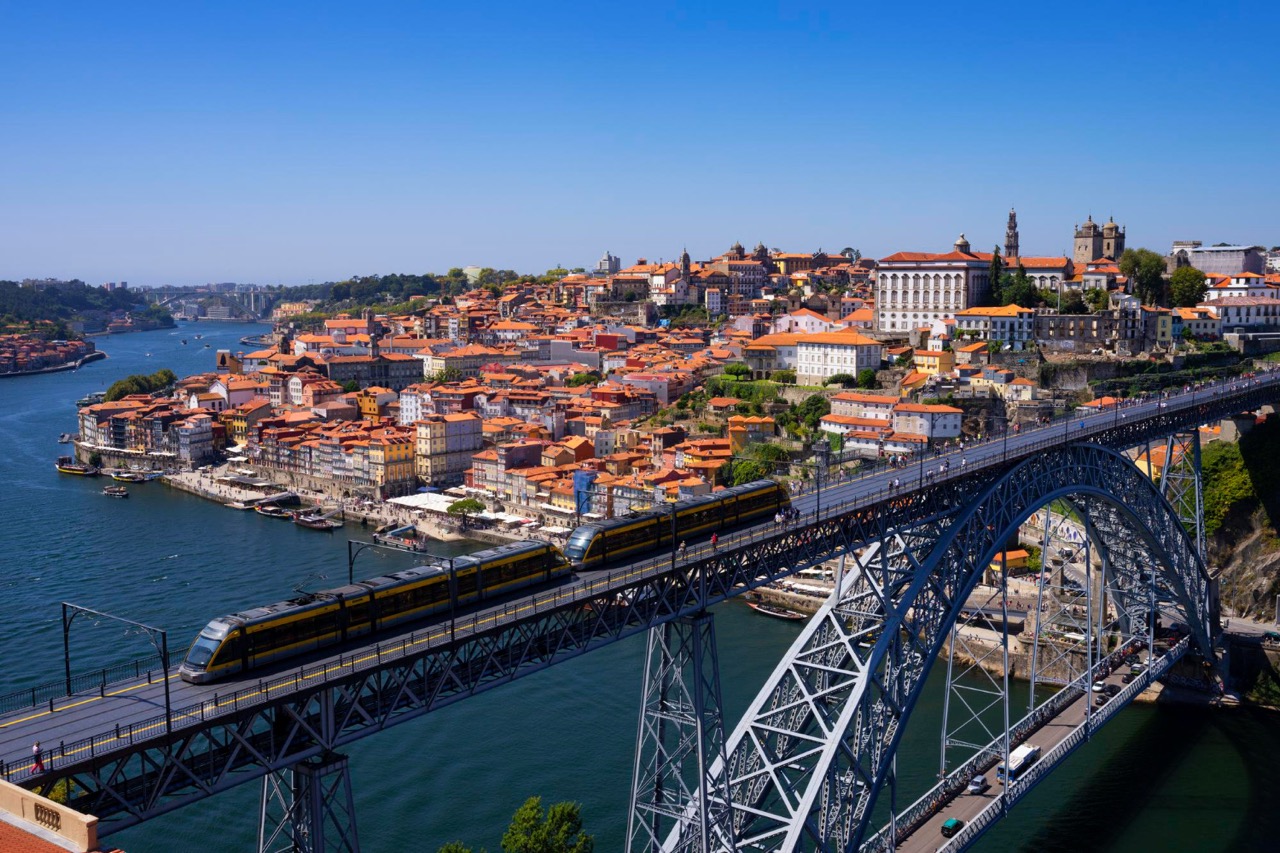
Turn your entrepreneurial dreams into reality with Nomad Pathway through the Start-Up Approved Progr...
Read More
Bring your entrepreneurial vision to life with Nomad Pathway through the Start-Up Approved Program i...
Read More
Turn your entrepreneurial vision into reality with Nomad Pathway through the Start-Up Approved Progr...
Read More